Channel Reviews for Parents
Honest, parent-first reviews of the channels kids ask for by name. Each one covers the real age range, what your child will learn, what to know before pressing play — and the Vidling Safety Score from our AI review of the channel's actual uploads.
-
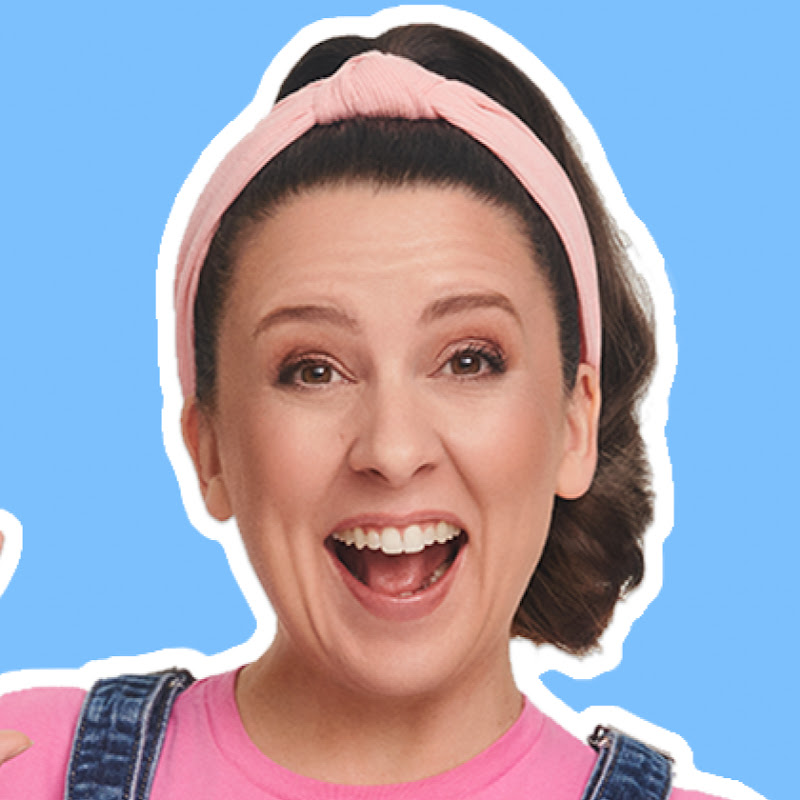
Ages 2–5 · Safety Score 93
The speech-development phenomenon: first words, signs and songs delivered with the slow, face-to-camera technique speech therapists use. For many families Ms Rachel is the toddler channel — and the craft behind the simplicity is real.
-
Is Numberblocks good for kids?
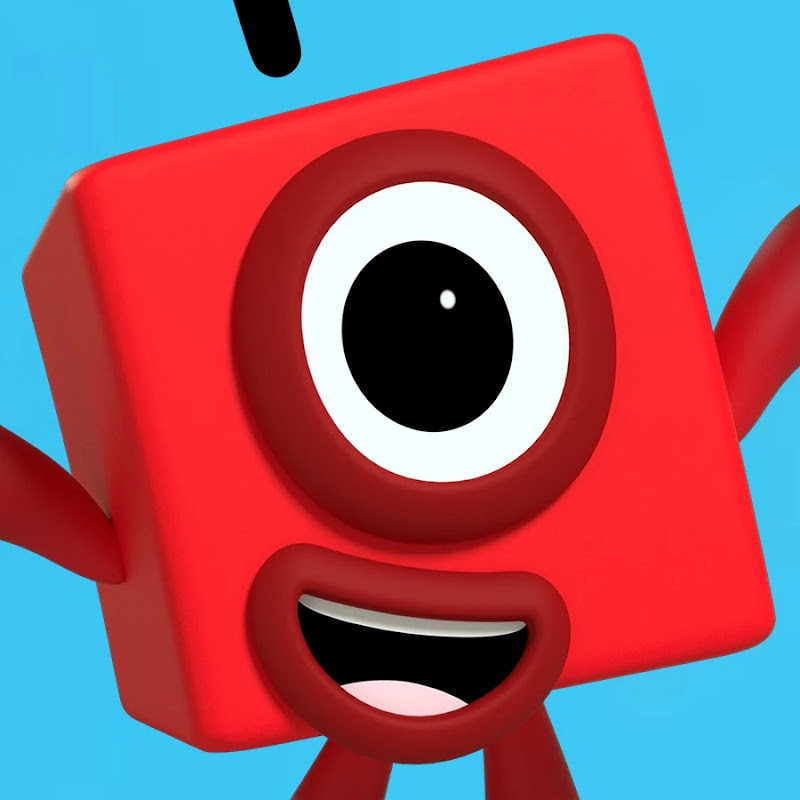
Ages 2–5 · Safety Score 96
The BBC's beloved number characters, where One plus One literally becomes Two before your child's eyes. Widely credited by parents and teachers with building genuine number sense before school — arguably the single best maths screen time for ages 2–5.
-
Is Super Simple Songs good for kids?
Ages 2–5 · Safety Score 96
The gold standard of toddler music: slow tempos, clear enunciation and zero overstimulation, from Baby Shark-era classics to Sesame Street collaborations. Speech therapists and ESL teachers recommend it for a reason — it is engineered for little brains, not for the algorithm.
-
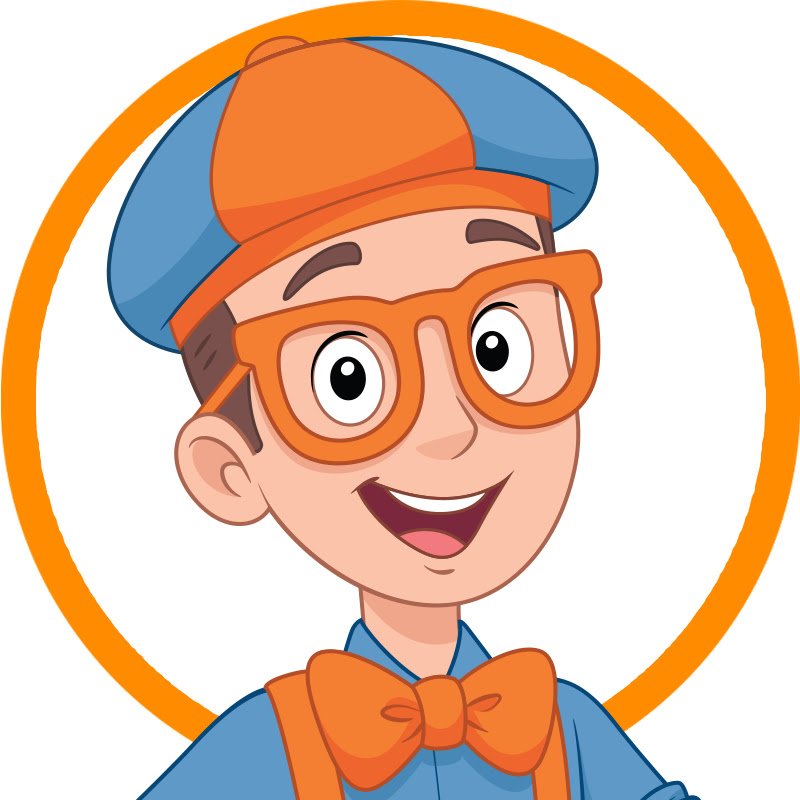
Ages 3–7 · Safety Score 76
The orange-and-blue phenomenon: high-energy real-world field trips to excavators, theme parks and museums that preschoolers find irresistible. It is louder and faster-cut than most channels on this list, so it suits families who are fine with an energetic pace in exchange for genuine curiosity about how things work.
-
Is SciShow Kids good for kids?
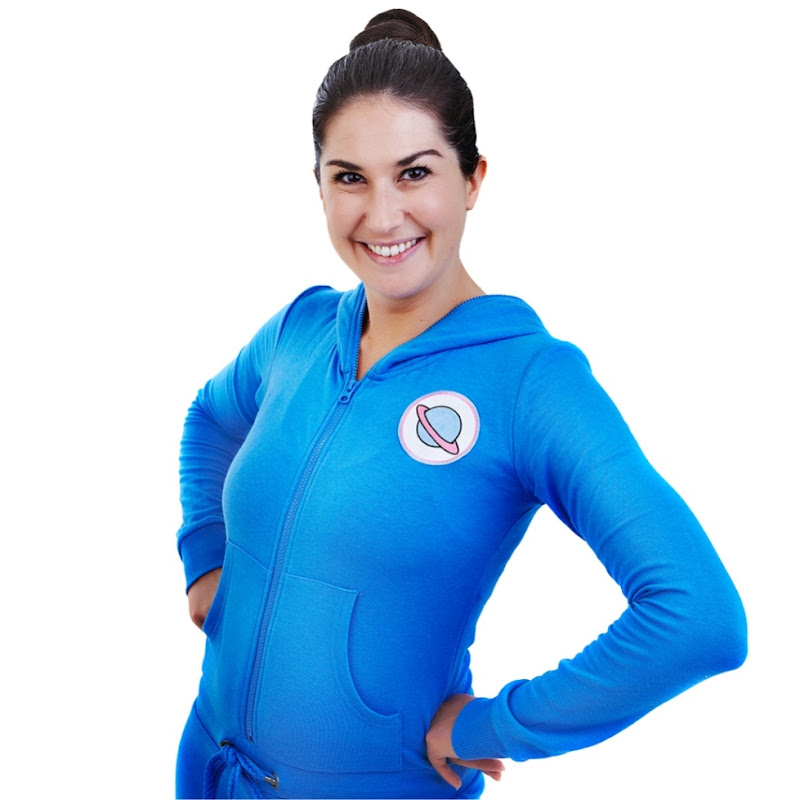
Ages 5–9 · Safety Score 95
Jessi and robot rat Squeaks answer real science questions — weird caterpillars, animal tusks, yucky creatures — with accuracy the adult SciShow brand is known for. The best pure science-explainer channel for the 5-to-9 window, full stop.
-
Is Art for Kids Hub good for kids?
Ages 5–12 · Safety Score 95
A dad drawing alongside his own kids, one guided lesson at a time — capybaras, trophies, pop-up cards, whatever the week brings. The follow-along pace is slow enough for a 5-year-old yet the results look good enough that 12-year-olds stay for the harder tutorials. One of the safest bets on YouTube for screen time that ends with paper and markers out.
-
Is Cosmic Kids Yoga good for kids?
Ages 2–8 · Safety Score 94
Jaime leads story-based yoga adventures — Rapunzel, the Three Little Pigs, sleepy bedtime trains — where every pose is part of the plot. It is screen time that gets kids off the couch and breathing slowly, and the bedtime sessions genuinely help wind-down. A rare channel parents put on and then join in.
-
Is Jack Hartmann Kids Music Channel good for kids?
Ages 2–7 · Safety Score 92
The veteran of classroom movement songs — counting dances, phonics chants, habitat singalongs, thousands of them. Teachers have leaned on Jack for decades because the formula works: kids move, repeat, and the skill sticks.
-
Ages 4–10 · Safety Score 92
The movement-break channel that half of American elementary classrooms already use: dance-alongs, mindfulness minutes and licensed tie-ins like LEGO Star Wars. Videos are short by design — perfect for burning energy between homework and dinner without committing to a long watch.
-
Ages 10–17 · Safety Score 93
TED's animated lessons on everything — sleep science, history of toys, why kids should take more risks — each scripted by an educator and vetted before publication. For curious tweens and teens it is a bottomless, trustworthy rabbit hole of actual knowledge.
-
Ages 2–5 · Safety Score 92
The Australian institution, thirty years in: fruit salad, big red cars and new-generation Wiggles doing what they have always done — earnest, musical, completely safe fun for toddlers. Parents trust it because their parents trusted it, and the formula still holds.
-
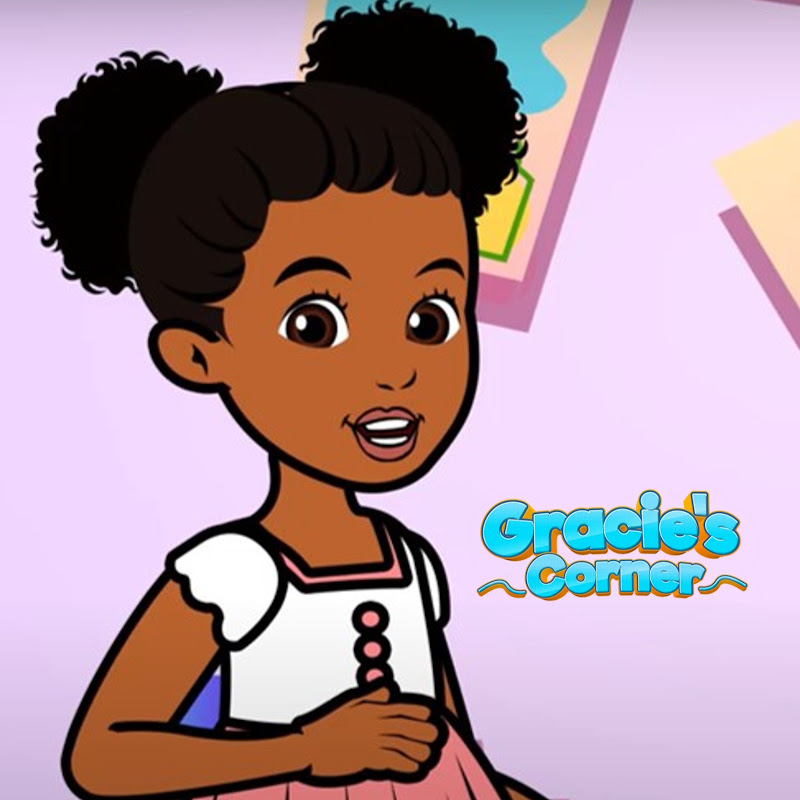
Is Gracie's Corner good for kids?
Ages 2–6 · Safety Score 92
Family-made animated songs with genuinely good production — nursery rhymes, manners, safety topics like seatbelts, plus original tracks with hip-hop and gospel roots. It has become a staple in many households for its representation and its earworm-quality choruses that actually teach something.